













“Kharif” refers to the cropping season in India and other South Asian countries, which typically begins in June and extends until October. Kharif crops are sown during the rainy season and harvested in the autumn.
Common examples of kharif crops include:
Rice: Rice is one of the primary kharif crops and a staple food in many parts of India and other Asian countries.
Maize (corn): Maize is widely cultivated during the kharif season for various purposes, including human consumption and animal feed.
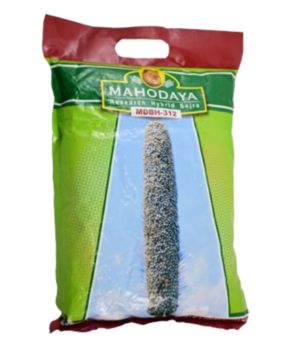
Millets: Different types of millets, such as bajra, jowar, and ragi, are grown during the kharif season.
Cotton: Cotton is an important cash crop that is predominantly cultivated during the kharif season.
Soybeans: Soybeans are a significant kharif crop, known for their high protein content and diverse applications.
Soybean Field
Groundnuts (peanuts): Groundnuts are grown during the kharif season and are a major source of edible oil and protein.
These are just a few examples, and there are other kharif crops grown based on regional and climatic conditions. The choice of crops depends on factors such as rainfall, temperature, soil type, and market demand in a particular region.