











US Numeric Size
Waist
US Denim Size
Hip
Chest

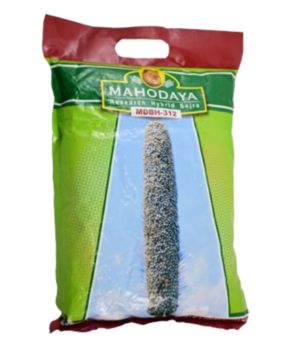
Fodder Bajra Millet (also known as Pearl Millet) is a drought-resistant cereal crop used as a high-nutrient feed for livestock. It provides excellent forage due to its high protein content and adaptability to various soil condition
Out of stock
Choose a sunny location with well-drained soil. Bajra thrives in warm climates and is drought-tolerant once established.
Soil Preparation:
Prepare the soil by loosening it to a depth of about 6-8 inches (15-20 cm) using a shovel or plow.
Remove weeds and rocks from the planting area.
Bajra grows well in sandy to loamy soils with good drainage. If the soil is poor,
incorporate organic matter like compost to improve fertility.
Plant bajra seeds directly into the prepared soil when the soil temperature has warmed to at least 65-70°F (18-21°C).
This is typically in late spring or early summer.
Sow seeds about 1-2 inches (2.5-5 cm) deep and space them 6-8 inches (15-20 cm) apart in rows spaced 12-18 inches (30-45 cm) apart.
Water the seeds immediately after planting to ensure good soil contact and germination.
Bajra has moderate water needs and benefits from regular watering during dry spells, especially during flowering and grain formation.
Fertilizing:
Bajra is relatively low-maintenance but benefits from a balanced fertilizer application at planting time if the soil is nutrient-deficient.
Weed Control:
Keep the area around the bajra plants weed-free, especially in the early stages when the plants are establishing.
Pest and Disease Management:
Monitor for pests such as aphids, grasshoppers, and shoot fly. Use appropriate insecticides if pest populations are significant.
Bajra is generally resistant to diseases, but watch for signs of downy mildew or rust, especially in humid conditions.
Harvesting:





Reviews
There are no reviews yet